
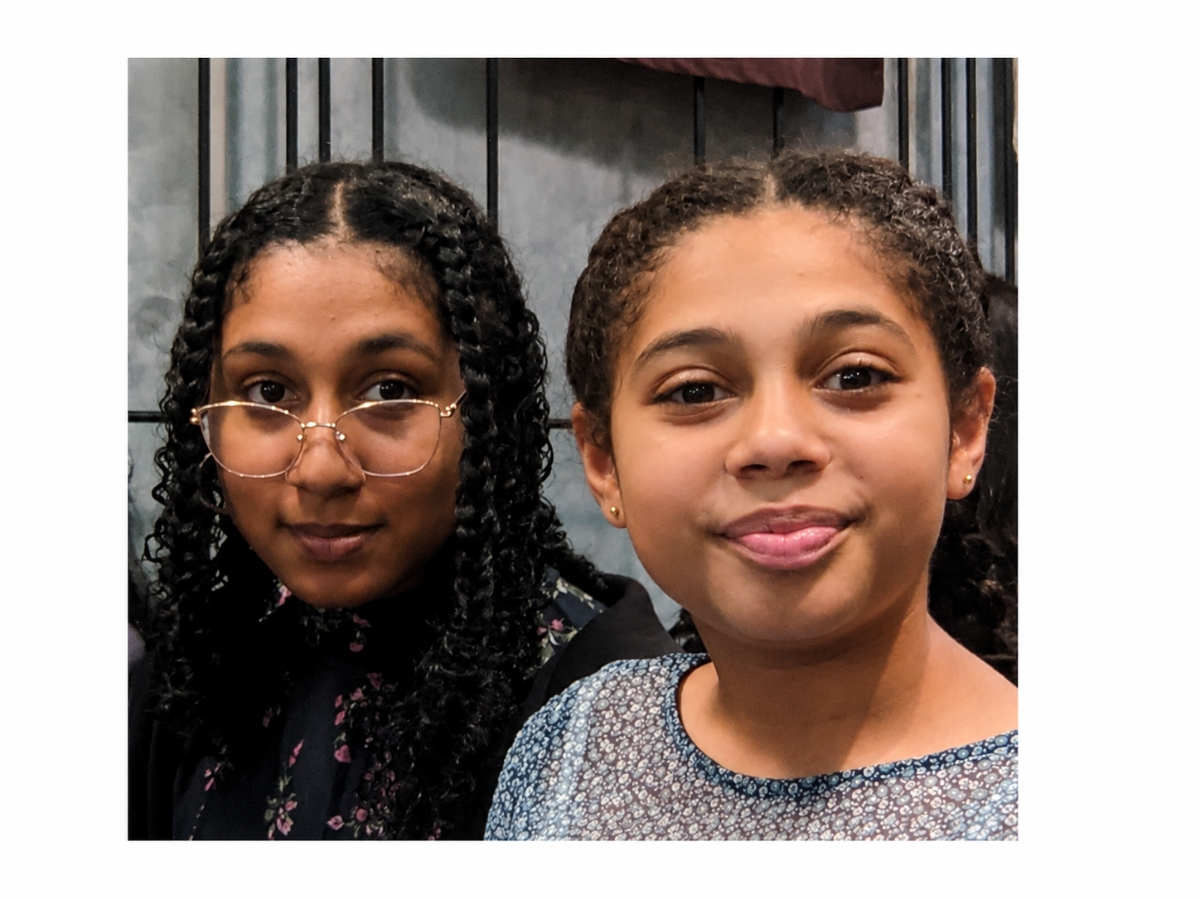
Two sisters working from their Vienna home have raised more than $4,000 to buy groceries for families in Cuba who can't reliably access food.
Suraiya Farooqui, 17, and Safiya Farooqui, 11, launched their grassroots initiative, Plates Without Politics, after initially trying to help a few relatives on the island. Hearing more firsthand accounts of hardship from Cuban families pushed them to expand, according to a Patch report.
The initiative comes as Cuba's crisis deepens. The island's national electric grid collapsed on Monday, leaving roughly 10 million people without power, according to Reuters. Nearly two-thirds of the country was already experiencing outages before the full collapse. Without electricity, families cannot refrigerate food, including produce and meat.
“[T]he situation at hand is truly impossible to justify,” Suraiya wrote in an email to Patch. “A crisis of resources—people are cooking on fires on the sidewalk, kids are studying by the light of flashlights and clipboards. This leaves bodies and hopes malnourished. I've learned that hunger as a political weapon is inexcusable.”
The funds the sisters raise go toward non-perishable food items delivered locally in Cuba. So far, they've provided groceries to more than 60 people. Their goal for this wave of fundraising is $10,000.
“I've also been able to see the power of unity in the face of these difficult times,” Suraiya said. “Despite the hardships, with the contacts we were able to reach for fundraising, I saw the direct link between the work we were doing and the audio messages of gratitude and smiling photos we received from Cuba. Just a small effort was able to secure so much, and to be honest, I think a lot of us, when we read the news, feel a bit helpless in the face of it all. What this project has taught me is that we aren't, and I've seen it firsthand, how a small effort can go a long way.”
"It really hurt me to see all these people who were in need of food, which is something I eat freely every day," Safiya told Patch. "It really hurt my heart."
Suraiya, a high school junior, described receiving audio messages of gratitude and photos from Cuban families after deliveries arrived. The project taught her that small efforts from ordinary people can make a tangible difference, even when the scale of a crisis feels overwhelming.
The girls have emphasized that they are not sending money through their initiative, only food. Their mother, Maryam Farooqui, and her husband are proud of their daughters. She hopes other young people are inspired to become problem solvers.
The United Nations launched a $94 million emergency plan in March to address Cuba's humanitarian crisis, the Los Angeles Times reported. A Cuban government health report released in June showed the survival rate for children with cancer had fallen to 65%, down from 85% before energy restrictions began in January.
On its website, Plates Without Politics states that Cuba's fuel embargo has made basic groceries nearly impossible to access for many families and that electricity outages prevent fresh food from being maintained. The site includes a breakdown of what the food baskets contain, statements from Cuban families and donation information.
.jpeg)