
Vienna residents served by Fairfax Water got some relief Friday, Oct. 2, when Virginia downgraded Northern Virginia's nine-month drought warning to a watch after weeks of September rain.
The Virginia Department of Environmental Quality (DEQ) de-escalated the advisory for Fairfax County, Arlington, Loudoun, Prince William and Fauquier counties and five independent cities, including Falls Church and Fairfax. The warning had been in place since January.
DEQ's Drought Monitoring Task Force (DMTF) recommended the change after what the agency called "sustained precipitation over several weeks," as first reported by FFXnow. The de-escalation also covers Virginia's Northern Piedmont and Shenandoah regions.
Fairfax Water, the state's largest utility, draws drinking water from the Potomac River and the Occoquan Reservoir for more than 2.2 million customers, including Vienna. The downgrade signals improving conditions in both sources.
The relief has limits.
Precipitation, reservoir and streamflow levels in Northern Virginia have returned to normal, according to FFXnow's reporting, but the region remains on emergency status for groundwater. The U.S. Geological Survey told the task force that one monitoring well in southern Prince William County is nearly empty.
A separate drought watch declared June 3 by the Metropolitan Washington Council of Governments (COG) also remains in effect for nearly 6 million residents across the District of Columbia, suburban Maryland and Northern Virginia. COG officials continue to encourage voluntary water conservation to protect Potomac River supplies.
"Our region hasn't seen extremely dry conditions like this in about two decades …" COG Executive Director Clark Mercer said in June, when the regional watch was declared.
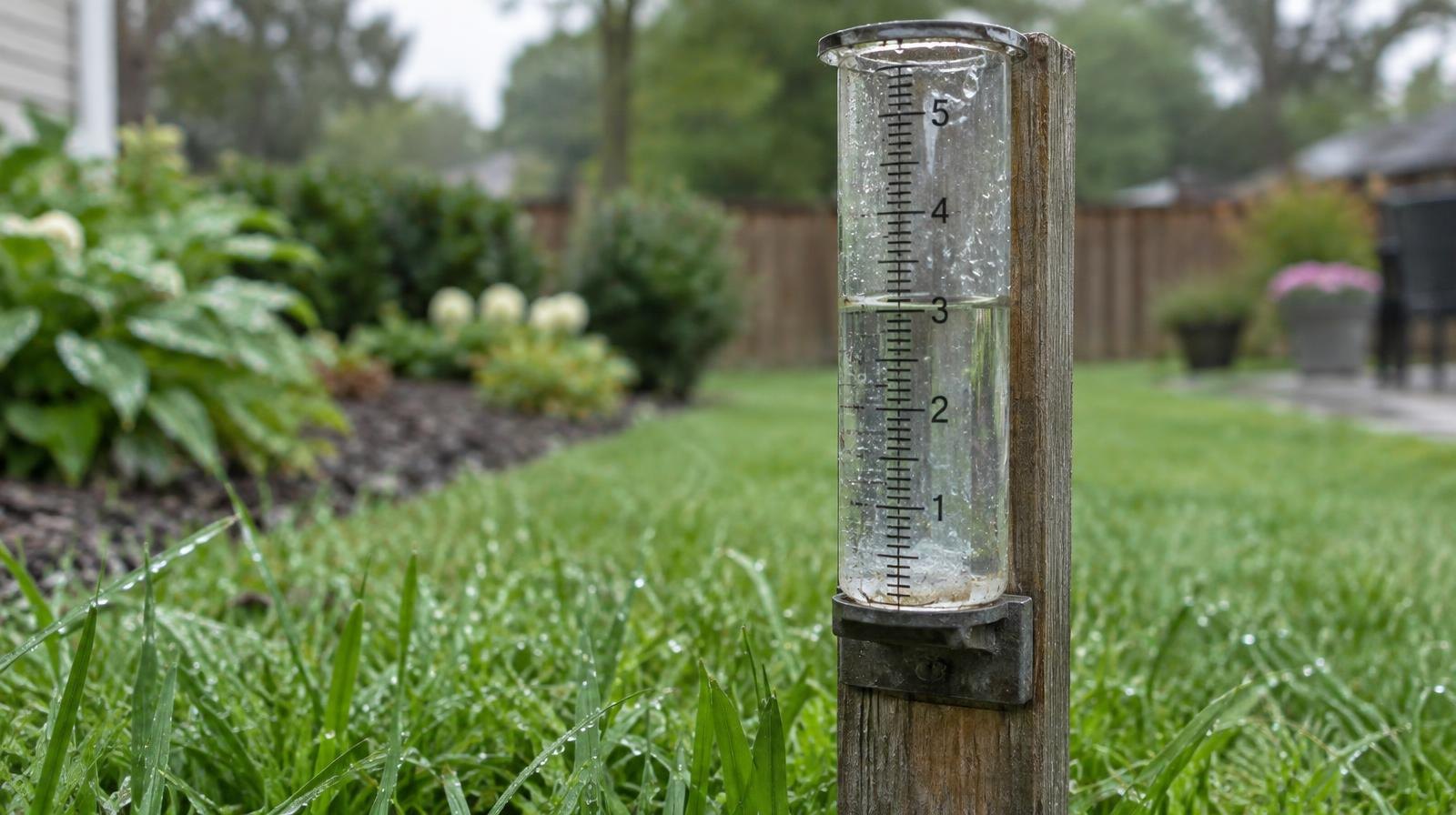
Dulles International Airport recorded 4.2 inches of rain in September and an additional 0.4 inches through Sunday, Oct. 4, according to National Weather Service data. The DMTF's Sept. 29 report found that large portions of northern Virginia received 125% to 150% of normal precipitation over the prior 60- and 90-day periods.
Still, Virginia ended its water year on Sept. 30 with an average precipitation deficit of 9.7 inches statewide, according to a DEQ press release. Across the state, 400 public water systems remain under voluntary restrictions and 45 under mandatory restrictions, affecting nearly 46% of Virginia's population.
The National Weather Service predicts a strong El Niño pattern will bring higher-than-normal rainfall to Virginia this fall and winter, DEQ said.
Fairfax Water and other regional utilities launched a $25 million, two-year study on June 9 called "Secure the Source" to evaluate backup water supply alternatives beyond the Potomac River, according to the Interstate Commission on the Potomac River Basin. That study aims to identify several weeks of emergency backup drinking water for more than 5 million residents.
What's ahead: The DMTF is scheduled to meet Tuesday, Oct. 6, for its next assessment of drought conditions statewide.