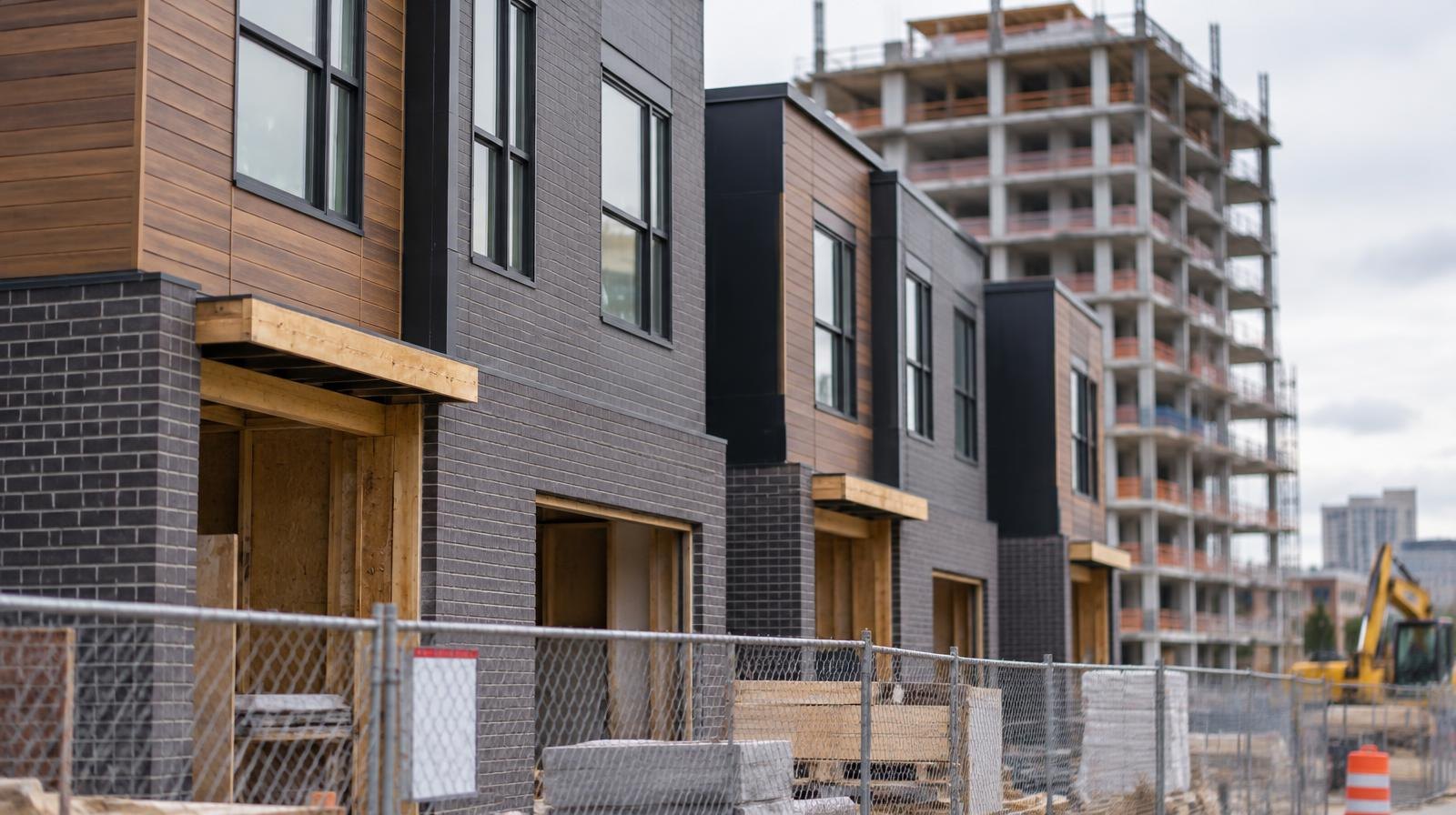
Riders at the Vienna Metro station could pay more and wait longer for trains under a budget plan taking shape at the transit agency.
Metro General Manager Randy Clarke said he is considering proposing both service cuts and a fare increase larger than previously reported to address a budget deficit, WJLA reported Nov. 5. Clarke is expected to present his fiscal year 2028 budget to the Metro board in December.
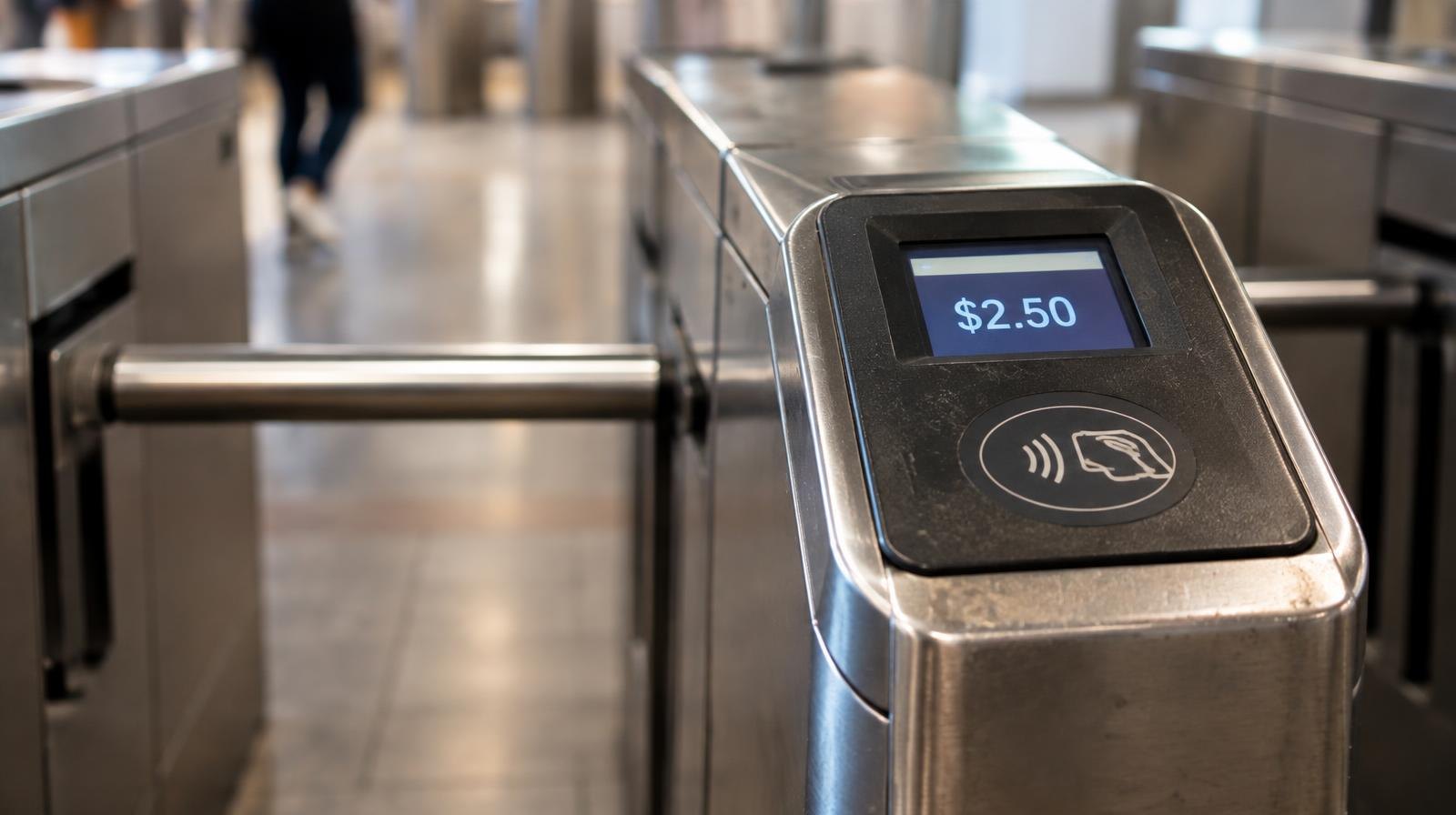
Preliminary fare concepts presented to the Northern Virginia Transportation Commission (NVTC) board at its Nov. 5 meeting show an 11.1% inflation-based increase. That would push base fares from a $2.25–$6.75 range to $2.50–$7.50, according to NVTC meeting materials. The presentation estimated the hike would generate $40 million to $45 million in revenue but cost the system about 8 million trips. Those figures are preliminary and subject to change before the December budget release.
The fare and service picture is part of a larger funding crisis. Northern Virginia localities must collectively cover $136 million a year in Metro capital costs beginning in fiscal year 2029, growing 3% annually. That obligation kicks in when a temporary state fix expires.
Temporary fix running out
State legislators gave Northern Virginia governments $153 million more per year for Metro operating costs during the 2026 General Assembly session, according to NVTC's report. That money only extends through fiscal year 2028. No permanent statewide revenue source was enacted to sustain it, FFXnow reported.
"The fundamental long-term funding question remains unsolved," Owen Williams, an NVTC program analyst, said at the Nov. 5 meeting.
For Fairfax County residents, including those in Vienna, the stakes are direct. The county is among the Northern Virginia jurisdictions that would share the $136 million capital obligation. Fairfax County's specific share has not been publicly detailed. In Arlington, officials estimated they would need to raise the county's real estate tax rate 8 cents per $100 of assessed value if the burden fell squarely on its general fund.
Metro also projects a $79 million to $114 million operating budget gap for fiscal year 2028, even with an assumed fare increase, according to NVTC meeting materials. Bus fare evasion is compounding the shortfall. The NVTC's draft annual report put bus fare evasion at 69%, compared with 5% on rail.
Fairfax supervisors weigh in
Hunter Mill District Supervisor Walter Alcorn, who serves on both the NVTC and WMATA boards, pointed to a structural problem at the Nov. 5 meeting.
"We're the only major transit system in the U.S. that doesn't have a dedicated revenue source," Alcorn said.
Dranesville District Supervisor Jimmy Bierman, also an NVTC board member, urged the commission to present state legislators with choices. "Give 'em a menu of options," Bierman said.
Del. Paul Krizek (D-16th), who serves on the NVTC board, pushed back on the idea that Richmond alone should solve the problem. He wanted local leaders to propose specific funding mechanisms for the General Assembly to consider.
Legislators did give Northern Virginia localities one tool during the 2026 session: the power to put referendums before voters to raise local sales taxes by 1 percentage point for transportation, education or both. Fairfax City was the only Northern Virginia locality to place such a referendum on the Nov. 3 ballot. Even with voter approval, the resulting revenue would fall far short of covering WMATA's capital needs, FFXnow reported.
What comes next
The NVTC board is expected to finalize its annual WMATA performance report early in December and forward it to Gov. Abigail Spanberger and the Virginia General Assembly. The 2027 session opens Jan. 13.